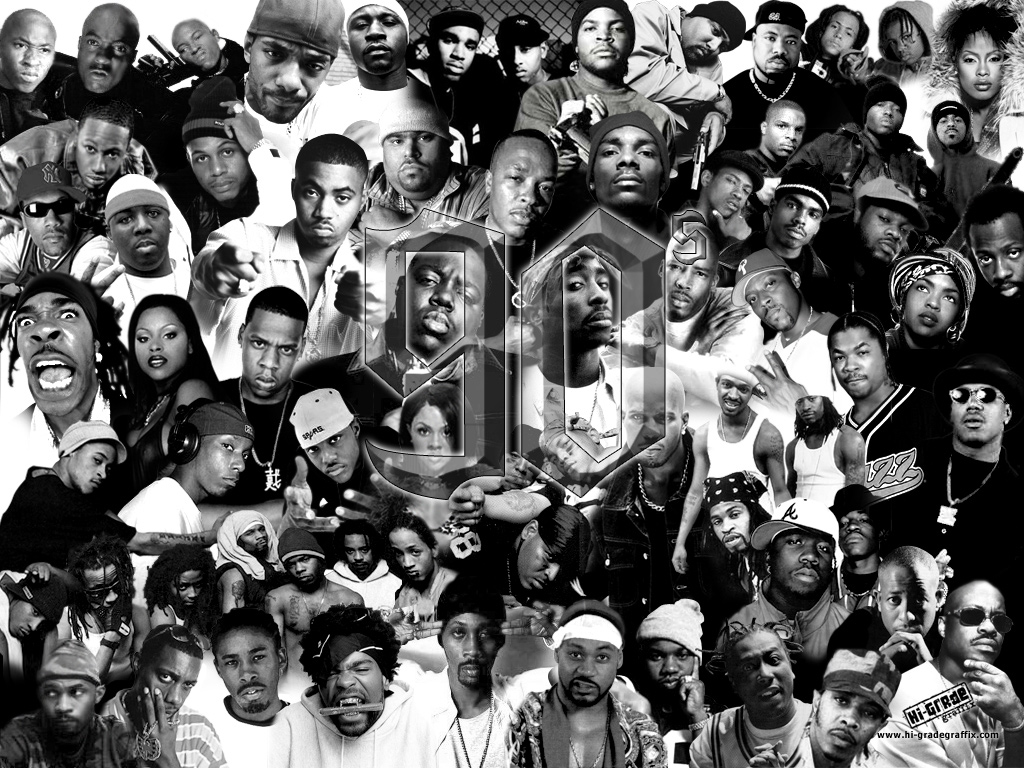
In 1990, Public Enemy's Fear of a Black Planet was a critical victory with music commentators and consumers. It was exceptionally contributory to hip jump's standard development in 1990, named by Billboard editorial manager Paul Grein as "the year that rap exploded". In a 1990 article on its business achievement, Janice C. Thompson of Time kept in touch with that hip bounce "has developed into the most energizing advancement in American popular music in more than a decade. Thompson noted the effect of Public Enemy's 1989 single "Fight the Power", rapper Tone Lōc's single Wild Thing being the top of the line single of 1989, and that around then of her article, almost a third of the tunes on the Billboard Hot 100 were hip jump songs. In a comparative 1990 article, Robert Hilburn of the Los Angeles Times put hip bounce music's business rise into view:
It was 10 years prior that the Sugarhill Gang's "Rapper's Delight" turned into the first rap single to enter the national Top 20. Who ever figured then that the music might even be around in 1990, considerably less produce attractions that might order to the extent that consideration as Public Enemy and N.w.a? "Rapper's Delight" was a variety record that was recognized by a significant part of the pop group basically as a lightweight branch of disco—and that picture stayed for a considerable length of time. Incidental records—incorporating Grandmaster Flash's "The Message" in 1982 and Run-Dmc's "It's Like That" in 1984—won discriminating support, however rap, basically, was released as a passing favor too dull, excessively one dimensional. Yet rap didn't go away, and an eruption of vigor and creative ability in the late '80s leaves rap today as apparently the most essential new road turned sound in pop since the conception of rock in the '50s.
Then again, hip bounce was still met with safety from dark radio, incorporating urban contemporary, of which Russell Simmons said in 1990, "Black radio loathed rap from the begin and there's still a great deal of imperviousness to it".
Mc Hammer hit standard victory with the multi platinum collection Please Hammer, Don't Hurt 'Em. The record arrived at #1 and the first single, "U Can't Touch This" outlined on the top ten of the announcement hot 100. Mc Hammer turned into a standout amongst the best rappers of the early nineties and one of the first family names in the kind. The collection raised rap music to another level of prominence. It was the first hip-bounce collection confirmed jewel by the Riaa for offers of in excess of ten million. It remains one of the sort's untouched smash hit albums. To date, the collection has sold the same number as 18 million units. In 1992, Dr. Dre discharged The Chronic. And serving to make West Coast gangsta rap as more financially reasonable than East Coast hip hop, this collection established a style called G Funk, which soon came to overwhelm West Coast hip bounce. The style was further advanced and promoted by Snoop Dogg's 1993 collection Doggystyle.
Hip bounce turned into a smash hit music kind in the mid-1990s and the top offering music type by 1999 with 81 million Cds sold. By the late 1990s hip jump was imaginatively ruled by the Wu-Tang Clan. The Beastie Boys proceeded their victory all around the decade intersection color lines and picking up admiration from numerous distinctive specialists.
Record names based out of Atlanta, St. Louis, and New Orleans picked up acclaim for their nearby scenes. The midwest rap scene was likewise remarkable, with the quick vocal styles from specialists, for example Bone Thugs-n-Harmony, Tech N9ne, and Twista. Toward the conclusion of the decade, hip jump was a basic part of well known music, and numerous American pop tunes had hip bo

No comments:
Post a Comment